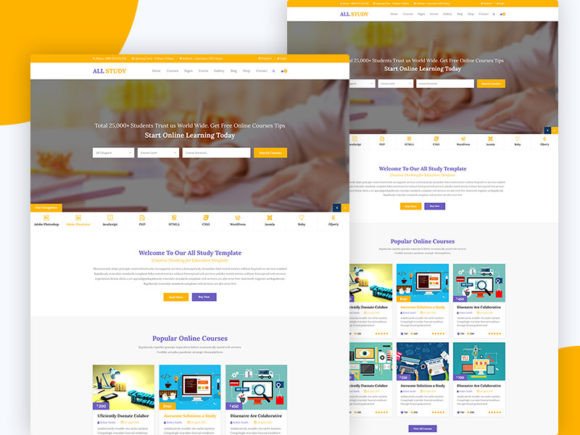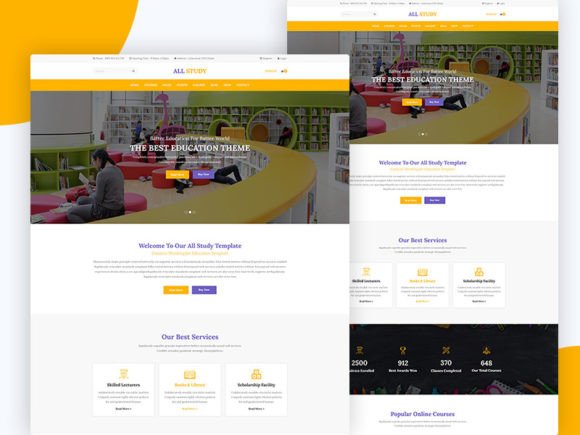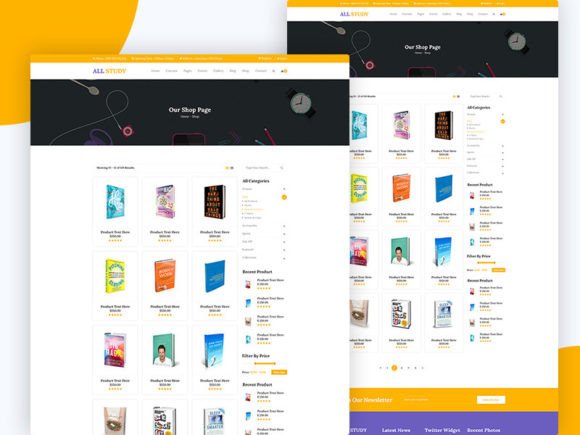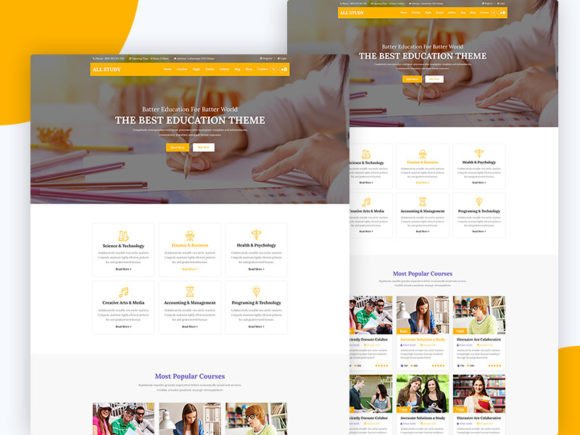
31.ALL Study- Education PSD Template: A Practical Guide for Building Better School Websites
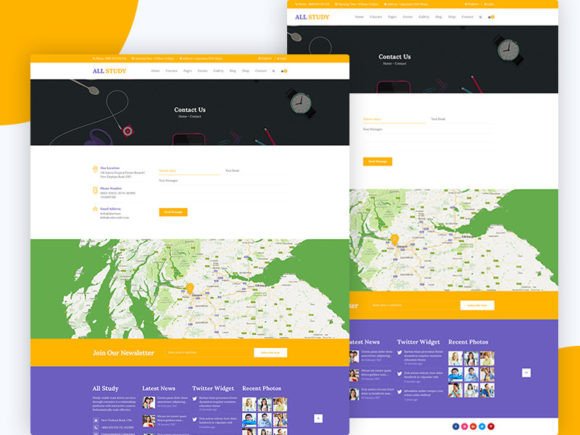
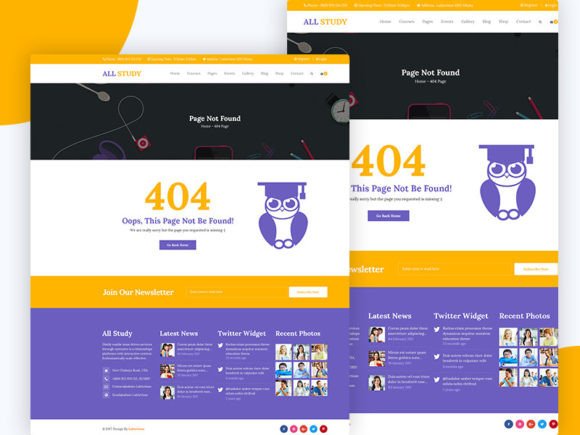
Building a digital presence for an educational institution is more than just putting text on a screen; it is about creating a trustworthy environment where students, parents, and faculty can find clarity. Whether you are managing a kindergarten, a high school, a university department, or an online study platform, the visual foundation of your website dictates how people perceive your quality. This is where the 31.ALL Study- Education PSD Template enters the conversation as a robust starting point. It is designed to be a responsive, multipurpose solution that offers an elegant and modern look suitable for any academic level.
However, simply downloading a template does not guarantee success. Many educators and web creators make the mistake of assuming that a "ready-made" design requires no further thought. In reality, the difference between a functional website and a professional one often lies in how well you adapt these tools to your specific needs. Understanding the nuances of the 31.ALL Study Multipurpose Education PSD Template can save you time, money, and frustration down the road.
Understanding the Scope of the 31.ALL Study Template
The 31.ALL Study- Education PSD Template is engineered to cover a broad spectrum of educational needs. From the playful requirements of a kindergarten site to the formal, data-heavy demands of a university portal, this PSD file provides a structured layout. Its primary strength lies in its versatility. It includes sections tailored for admissions, course listings, faculty profiles, and student galleries, all wrapped in a cohesive design language.
When you evaluate this template, you are looking at a resource that aims to solve the "blank canvas" problem. Instead of starting from scratch with empty layers in Photoshop, you have a pre-designed system. This allows you to focus on content strategy rather than grid alignment. For entrepreneurs running online study platforms or small business owners managing tutoring centers, this efficiency is invaluable. It bridges the gap between having a vision and having a tangible, presentable product.
Common Pitfalls When Choosing Educational Templates
Despite the clear benefits, there are frequent misunderstandings that lead to subpar results when using templates like this one. The most common error is treating the template as a finished product rather than a framework. Many users download the 31.ALL Study Multipurpose Education PSD Template and immediately attempt to convert it without reviewing the layer structure or the design intent. This often results in a disjointed final product where fonts clash, colors are inconsistent, and the "modern look" becomes cluttered.
Another overlooked detail is the assumption that "responsive" applies directly to the PSD file itself. A PSD is a static image file; it does not resize automatically for mobile devices. The term "responsive" in the context of this template refers to the design logic and the layout's flexibility, which must then be translated into code (HTML/CSS) by a developer. If you plan to use this template without coding knowledge, you might mistakenly believe the design will work perfectly on a phone immediately after upload. This misunderstanding can severely impact usability, causing potential students to abandon your site if it looks broken on their mobile devices.
How Design Choices Impact Your Institution's Credibility
The consequences of poor implementation extend beyond aesthetics. In the education sector, trust is paramount. Parents choosing a kindergarten or students selecting a college are making significant life decisions based on the information they see. If a website feels generic, poorly adapted, or visually confusing, it signals a lack of attention to detail within the institution itself.
For example, consider a university using the 31.ALL Study- Education PSD Template but failing to customize the color palette to match their official branding. The result is a disconnect between the physical campus identity and the digital experience. This inconsistency can confuse visitors and dilute brand recognition. Similarly, if the typography is left as the default placeholder text without adjusting for readability, important information about admission deadlines or course curricula may be missed. These errors do not just look bad; they actively hinder communication and reduce conversion rates for enrollment inquiries.
Practical Steps to Avoid Implementation Errors
To ensure the 31.ALL Study Multipurpose Education PSD Template serves your goals effectively, you need a strategic approach before you even open Photoshop. Start by auditing your content. Do not try to force your existing text into the template blindly. Instead, map out your essential pages—Home, About Us, Programs, Admissions, Contact—and compare them against the template's provided sections. If the template lacks a specific section critical to your school, such as a "Student Portal Login" or "Alumni Network," identify this early so you know whether to modify the design or build a custom module.
Next, pay close attention to the asset quality. High-resolution images are non-negotiable for an elegant look. The template likely comes with placeholder images, but these should be replaced with authentic photos of your actual students, faculty, and facilities. Stock photos of smiling students in generic classrooms can make an institution feel impersonal. By investing time in capturing real moments, you leverage the template's structure while injecting genuine personality.
Checking the Layer Structure
Before making changes, spend time exploring the layer organization within the PSD file. Well-structured templates like 31.ALL Study usually group elements logically (e.g., Header, Footer, Hero Section). If you find yourself struggling to locate a specific element or if layers are flattened unexpectedly, pause. Attempting to edit a disorganized file can lead to accidental deletions or formatting issues that are difficult to reverse. If the file structure seems chaotic, consider reaching out to the creator for documentation or support before proceeding.
The Handoff to Development
If you are not a coder, the transition from PSD to a live website is a critical juncture. Do not assume the designer who created the PSD can also write the code, unless explicitly stated. You need a developer who understands how to translate the visual fidelity of the 31.ALL Study- Education PSD Template into clean, semantic HTML and CSS. During this handoff, provide clear instructions on which elements must remain fixed and which should be flexible. Ensure the developer tests the responsiveness across various devices, verifying that the "modern look" translates well to smaller screens without losing functionality.
Evaluating Cost and Long-Term Value
When deciding to purchase or download the 31.ALL Study Multipurpose Education PSD Template, consider the total cost of ownership. While the initial price might be low compared to hiring a full-service agency, the value depends on your ability to customize it correctly. If you buy a template and cannot adapt it to your needs, you end up paying twice—once for the template and again for a redesign. Conversely, if you take the time to learn the basics of the file structure or hire a competent freelancer for the customization, the return on investment is substantial.
Think about scalability. As your school grows, will this template allow for new programs or expanded sections? The 31.ALL Study template is built to be multipurpose, which suggests flexibility, but you must verify that the grid system supports future expansion. A rigid design might look great today but become a bottleneck tomorrow when you need to add complex features like interactive course catalogs or event calendars.
Making the Right Decision for Your Educational Brand
In the end, the 31.ALL Study- Education PSD Template is a powerful tool, but only when used with intention. It provides the skeleton for a professional, elegant, and modern website, but your content and customization bring it to life. By avoiding the trap of rushing the process, understanding the limitations of static files, and prioritizing authentic content over generic placeholders, you can create a digital presence that truly represents your institution.
Whether you are a beginner setting up a small tutoring center or a professional managing a large university portal, the key is to treat the template as a partner in your design process, not a replacement for your unique voice. Take the time to review the details, test the responsiveness, and ensure every pixel aligns with your educational mission. With careful planning and execution, this template can serve as the foundation for a website that informs, engages, and inspires your community for years to come.