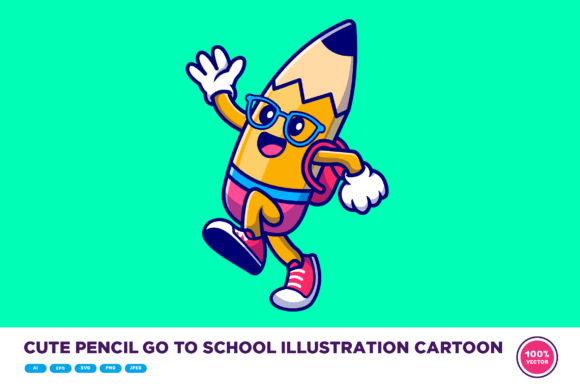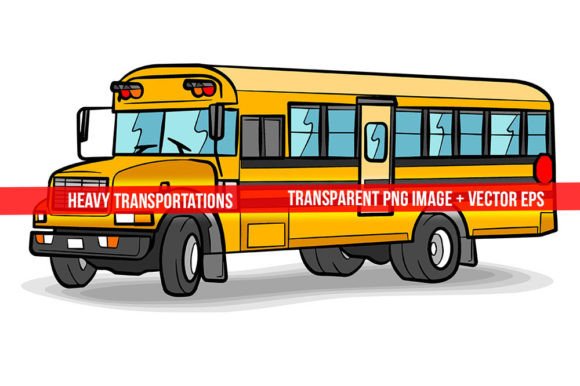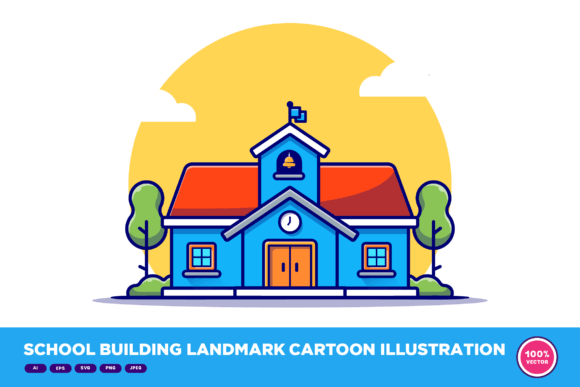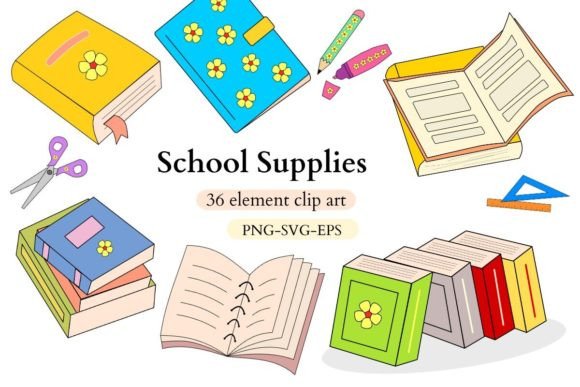
Book Illustration and School Equipments
Elevating educational branding requires more than just text; it demands visual storytelling that resonates with students, parents, and educators alike. Integrating high-quality Book Illustration and School Equipments into your creative workflow transforms standard layouts into engaging narratives. These assets are not merely decorative; they serve as foundational elements for building a cohesive brand identity in the education sector.
In modern graphic design, the clarity and charm of your visuals directly impact user engagement. Whether you are designing a syllabus, a promotional flyer, or a digital learning platform, the right imagery establishes an immediate emotional connection. By utilizing professional-grade clip art featuring essential items like books, pencils, erasers, and bags, designers can create intuitive visual hierarchies that guide the viewer’s eye and reinforce key messages.
The Strategic Value of Educational Visuals
Visual communication is the backbone of effective marketing and instructional design. When you incorporate detailed illustrations of school supplies, you tap into universal symbols of learning and growth. This approach strengthens brand identity by ensuring consistency across all touchpoints. A well-curated color palette combined with precise line work enhances the professional presentation of any project, making it appear polished and trustworthy.
For designers working on editorial design or packaging design, these assets offer unparalleled flexibility. The ability to scale vector graphics without losing resolution ensures that your designs look crisp on both large-format banners and small mobile screens. This scalability is crucial for maintaining visual integrity across diverse media channels, from print brochures to social media graphics.
Versatile Applications for Creative Projects
The utility of high-resolution illustration packs extends far beyond simple decoration. Here is how you can leverage these assets to enhance various design workflows:
- Branding and Logo Design: Use simplified icons of books or pencils to create memorable logos for tutoring centers, stationery brands, or educational apps.
- Social Media Content: Create eye-catching posts for digital marketing campaigns by layering transparent PNGs over vibrant backgrounds to highlight promotions or study tips.
- Web and UI Design: Incorporate subtle illustrations into user interfaces to soften the aesthetic and improve UX design, making navigation feel more inviting and less clinical.
- Packaging Design: Apply seamless patterns to product packaging for school supplies, adding a layer of texture and visual interest that stands out on retail shelves.
- Editorial Layouts: Break up dense text in textbooks or newsletters with relevant clip art to maintain reader interest and improve readability.
Technical Specifications for Professional Results
To ensure maximum compatibility and quality in your design projects, it is essential to work with assets that meet industry standards. This collection provides a comprehensive suite of files tailored for both print and digital applications. You will receive 36 SVG file clipart elements and 36 EPS file clipart elements, offering full editability for vector-based software. Additionally, 36 PNG transparent background files allow for quick drag-and-drop usage in raster-based programs.
The inclusion of one border in JPG file format and three seamless patterns in JPG file format further expands your creative possibilities. With a size canvas of 2500 x 2500 px and a resolution of 350 dpi, these images are optimized for high-quality print production while remaining lightweight enough for efficient web loading. This balance ensures that your visual design remains sharp and professional, regardless of the output medium.
Tips for Selecting and Using Design Assets
When integrating these illustrations into your work, consider the overall composition and visual hierarchy. Avoid clutter by using whitespace effectively, allowing each element to breathe. Consistency is key; stick to a unified style and color scheme to maintain a cohesive look. If your brand identity relies on specific typography, ensure that the weight and style of your illustrations complement the font choices rather than competing with them.
Always evaluate the context of your audience. For younger demographics, brighter colors and playful compositions may be more effective, while higher education institutions might prefer minimalist, monochromatic designs. By aligning your creative assets with audience expectations, you enhance the effectiveness of your communication.
Ultimately, thoughtful design choices elevate the perceived value of your content. High-quality creative assets do more than fill space; they communicate professionalism, attention to detail, and a commitment to excellence. By leveraging versatile tools like book illustrations and school equipment graphics, you empower your brand to tell a compelling story that resonates deeply with your target audience.