Emotions Flash Cards for Kids: A Practical Guide
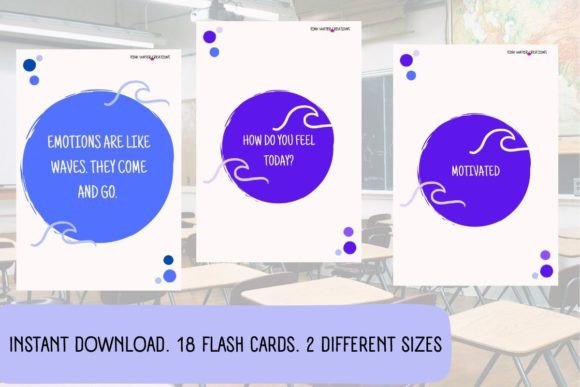
Teaching emotional intelligence is one of the most impactful investments we can make in a child’s development, yet finding the right tools to bridge the gap between abstract feelings and concrete understanding can be challenging. Emotions Flash Cards offer a tangible, accessible solution to this common parenting and educational hurdle. These are not merely decorative images; they are functional pedagogical tools designed to help children identify, name, and process their internal states. By transforming complex psychological concepts into visual cues, these cards create a safe entry point for difficult conversations.
The value of printable resources lies in their immediacy and adaptability. Unlike rigid, pre-packaged kits that may not fit every curriculum or household dynamic, printable flash cards allow educators and parents to curate the learning experience. Whether you are a therapist looking for office aids, a teacher building a calm-down corner, or a parent navigating a toddler’s tantrum, having high-quality, instant-access materials changes the game. The ability to download and print on demand means you can replace worn cards, scale up for group activities, or customize the timing of your lessons without waiting for shipping.
Why Visual Tools Matter in Emotional Education
Children, particularly those in early developmental stages, often lack the vocabulary to articulate what they are experiencing. A feeling of frustration might manifest as hitting, while anxiety might look like withdrawal. Emotions Flash Cards serve as a visual dictionary, giving children the words they need to express themselves. When a child can point to a card depicting "sadness" or "excitement," they are engaging in self-regulation. This act of identification is the first step in managing emotions rather than being overwhelmed by them.
Moreover, these cards facilitate open dialogue. In a classroom setting, a morning check-in using these cards can help teachers gauge the emotional temperature of the room. At home, they can be part of a bedtime routine, allowing parents to discuss the highs and lows of the day. The visual nature of the cards reduces the pressure of verbal expression, making it easier for shy or non-verbal children to participate. This inclusivity is a significant strength, ensuring that emotional education is accessible to diverse learners.
Key Characteristics and Design Quality
The effectiveness of any educational tool is heavily dependent on its design. Poorly rendered images or ambiguous expressions can confuse rather than clarify. High-quality printable flash cards prioritize clarity and emotional authenticity. The illustrations should be distinct enough that a child can easily differentiate between similar emotions, such as annoyance and anger, or surprise and fear.
One notable quality of premium digital downloads is the attention to technical specifications. For instance, having options for different sizes ensures versatility. The availability of two specific sizes—12 x 17.5 cm and 8.5 x 11 cm—caters to different use cases. The larger format is ideal for group settings, circle time, or wall displays where visibility from a distance is crucial. The smaller size is perfect for individual handheld use, pocket-sized reference guides, or interactive games that require shuffling and handling.
Furthermore, the file format plays a critical role in usability. Access to high-resolution PDFs ensures that text and lines remain crisp when printed, avoiding the pixelation that often plagues lower-quality downloads. Additionally, having PNG files available offers flexibility for digital users. Educators who create digital worksheets or presentations can easily integrate these emotion icons into their existing materials without background interference, maintaining a professional and polished look.
Practical Applications Across Environments
The utility of Emotions Flash Cards extends far beyond the traditional classroom. Here is how different professionals and caregivers can leverage these tools:
- Therapists and Counselors: Use the cards as projective tools during sessions. Ask clients to select cards that represent their current mood or their perception of a family member’s mood. This can bypass defensive verbal barriers and provide deeper insights.
- Early Childhood Educators: Integrate the cards into daily routines. Use them during storytime to discuss character motivations, or place them in a "peace corner" where children can go to identify their feelings before rejoining the group.
- Parents and Caregivers: Utilize the cards during travel or waiting rooms. They are excellent distractors that also serve an educational purpose. Discussing the emotions on the cards can turn idle time into meaningful connection time.
- Content Creators and Bloggers: For those in the parenting or education niche, these high-resolution PNGs can be used to create engaging social media graphics, blog headers, or downloadable lead magnets, adding value to their audience while maintaining brand consistency.
Maximizing Print Quality for Longevity
While the digital file is the product, the physical output is the tool. To ensure your Emotions Flash Cards withstand the rigors of daily use by children, material selection is paramount. It is highly recommended to use glossy paper for printing. Glossy finish enhances color saturation, making the facial expressions and colors pop, which captures children’s attention more effectively than matte finishes. The vibrancy of the colors helps in distinguishing subtle emotional cues.
Beyond the paper type, consider laminating the cards after printing. Children’s hands are often sticky, and cards get shuffled, dropped, and folded. Lamination adds a layer of durability that allows for wiping clean and prevents tearing. If you are producing these for a commercial purpose, such as selling physical kits, investing in thick cardstock (at least 300 gsm) combined with a glossy coating will give the product a premium feel that justifies a higher price point.
Strategic Implementation for Better Engagement
Owning the cards is only half the battle; using them effectively is where the real value lies. Avoid treating them as static objects. Instead, gamify the learning process. Play "Emotion Charades," where one person acts out the feeling on the card and others guess. Create matching games with pairs of identical emotions. For older children, use the cards as prompts for journaling or creative writing exercises.
Consistency is key. Introduce a new emotion each week, focusing on the physical sensations associated with it. Where do you feel anger? In your chest? Your hands? Linking the visual card to bodily awareness strengthens the neural pathways associated with emotional regulation. By integrating Emotions Flash Cards into various aspects of daily life, you transform them from simple pictures into powerful catalysts for emotional growth.
In conclusion, whether you are an educator seeking to enhance your classroom environment or a parent aiming to foster deeper connections with your child, these printable resources offer a versatile, cost-effective, and impactful solution. The combination of high-resolution formats, varied sizes, and thoughtful design makes them an essential addition to any emotional intelligence toolkit.