Evaluating the 21.ALL Study Education PSD Template for Academic Web Projects
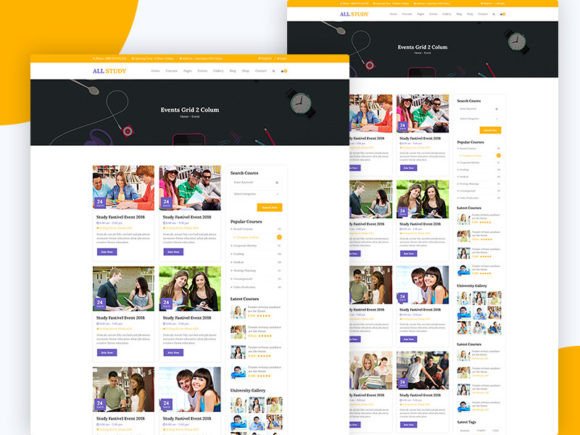
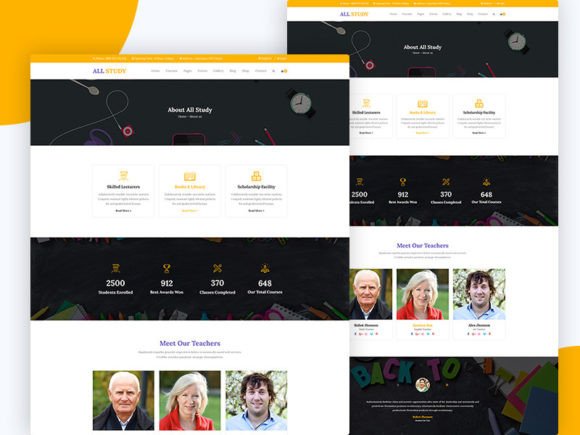
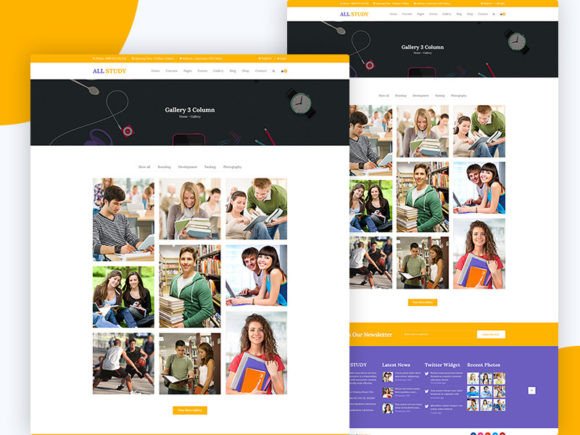
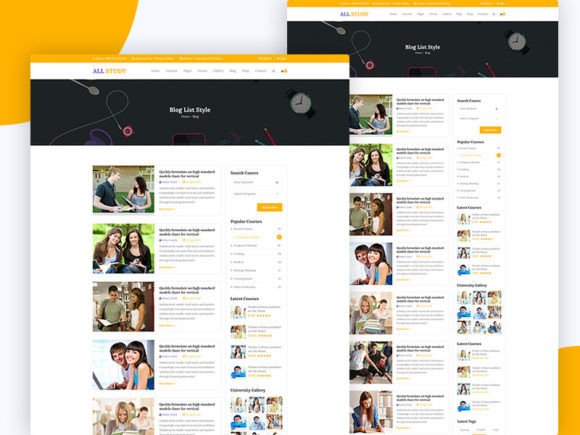
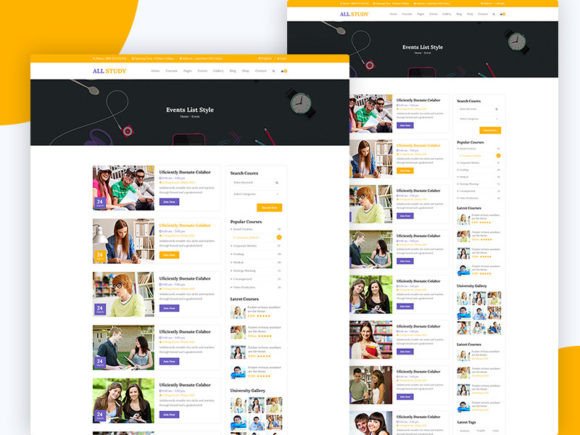
Developing a professional website for an educational institution requires more than just functional code; it demands a visual language that communicates trust, clarity, and modernity. For designers and developers managing projects ranging from kindergartens to universities, the choice of a foundational layout is critical. The 21.ALL Study- Education PSD Template has emerged as a significant resource in this space, offering a comprehensive set of design files tailored specifically for the academic sector. Unlike generic multipurpose themes, this template addresses the unique structural needs of schools, colleges, and online learning platforms through a dedicated, elegant aesthetic.
When comparing design resources, it is essential to understand what distinguishes a specialized education template from a broad-spectrum alternative. The 21.ALL Study Multipurpose Education PSD Template is designed with a specific focus on responsiveness and versatility. It provides a framework that adapts seamlessly across devices, ensuring that whether a parent is checking a kindergarten schedule on a smartphone or a prospective student is browsing university courses on a desktop, the experience remains consistent and intuitive. This level of adaptability is not always present in older, static design formats, making it a relevant tool for modern web development workflows.
Core Design Philosophy and Structural Integrity
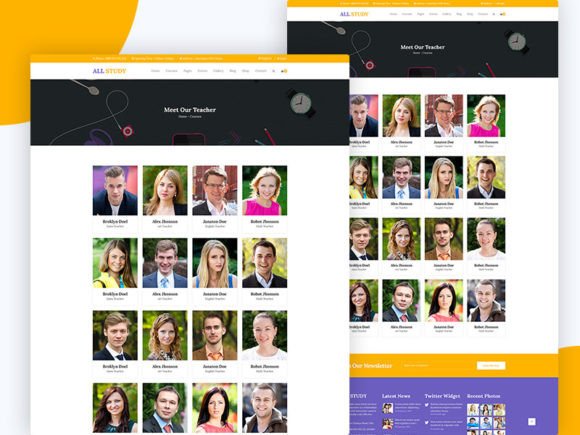
The primary distinction of the 21.ALL Study- Education PSD Template lies in its balanced approach to visual hierarchy and content organization. Educational websites often suffer from information overload, presenting too much data without clear navigation paths. This template mitigates that risk by utilizing a clean, modern look that prioritizes readability and logical flow. The design elements are structured to guide users naturally through key sections such as admissions, faculty profiles, course catalogs, and news updates.
From a technical standpoint, the template is built as a Photoshop Document (PSD). This format offers granular control over every layer, allowing designers to customize typography, color schemes, and imagery without being constrained by rigid coding structures. For agencies or freelance designers who require high-fidelity mockups before moving to the development phase, this flexibility is a substantial advantage. It allows for precise adjustments to branding elements, ensuring that a high school's vibrant identity or a university's traditional prestige is accurately reflected in the final product.
Furthermore, the "Multipurpose" aspect of the ALL Study template does not imply a lack of specialization. Instead, it suggests a modular architecture where different page layouts can be mixed and matched. A single project might utilize the kindergarten-focused homepage for early childhood programs while adopting a more formal, data-heavy layout for the graduate studies section of the same university. This modularity reduces the need to purchase multiple templates for different departments within a large institution, streamlining the design process.
Comparing Specialized vs. Generic Templates
When evaluating options for an educational website, stakeholders often face a choice between specialized templates like 21.ALL Study- Education PSD Template and generic multipurpose themes. Generic themes are widely available and often cheaper, but they frequently require extensive customization to strip away irrelevant features and align with the specific tone of an educational environment. They may include e-commerce elements, portfolio grids, or blog styles that do not serve the core mission of a school or college.
In contrast, the 21.ALL Study Multipurpose Education PSD Template comes pre-configured with industry-relevant components. Elements such as event calendars, faculty directories, and application forms are integrated into the design logic. This targeted approach saves significant time during the prototyping phase. While a generic theme might take days to restructure for an academic context, a specialized template provides a near-ready foundation that only requires content population and minor stylistic tweaks.
However, there are tradeoffs to consider. Specialized templates can sometimes feel slightly less flexible if a project requires a highly unconventional structure that deviates from standard educational norms. If an institution is attempting to break entirely from traditional web conventions—perhaps creating an immersive, experimental digital experience—a blank slate or a highly abstract generic theme might offer more creative freedom. For most standard use cases, however, the efficiency and relevance of the 21.ALL Study template outweigh these limitations.
Responsiveness and User Experience Considerations
One of the most critical factors in modern web design is mobile responsiveness. Educational institutions serve a diverse demographic, including students, parents, alumni, and staff, all accessing the site from various devices. The 21.ALL Study- Education PSD Template is explicitly engineered to be responsive, meaning the layout adjusts fluidly to screen size changes.
This responsiveness is not merely about shrinking images; it involves restructuring navigation menus, stacking content blocks, and optimizing font sizes for smaller screens. In the context of a kindergarten website, for instance, parents often need quick access to emergency contacts or daily schedules while on the go. A non-responsive design could render these critical pieces of information inaccessible or difficult to read. By ensuring that the template maintains usability across all devices, designers can guarantee that the website serves its intended audience effectively.
Comparing this to older PSD templates that were designed solely for desktop viewing highlights the evolution of web standards. Legacy designs often require a complete overhaul to become mobile-friendly, which increases project costs and timelines. The 21.ALL Study template incorporates these modern requirements from the outset, reducing the technical debt associated with the project. This forward-thinking approach ensures that the resulting website remains viable and user-friendly as device usage patterns continue to shift.
Ideal Use Cases and Limitations
Determining when to select the 21.ALL Study- Education PSD Template depends largely on the scope and goals of the project. It is an ideal choice for institutions seeking a polished, professional appearance without the budget for a fully custom design from scratch. It fits well within the needs of:
- Kindergartens and Primary Schools: Where a friendly, accessible, and colorful yet organized interface is required to communicate with parents.
- High Schools and Colleges: Which need robust information architecture to handle complex course listings, athletic schedules, and administrative details.
- Universities: Requiring a sophisticated, authoritative look that supports extensive research pages and alumni networks.
- Online Study Platforms: That need a clean, distraction-free environment focused on course delivery and student engagement.
Despite its strengths, the template may not be the right fit for every scenario. If a project involves highly dynamic, real-time data visualization that goes beyond standard HTML/CSS implementation, the PSD format alone will not suffice. It serves as a design blueprint, not a functional backend solution. Additionally, organizations with extremely strict, legacy branding guidelines that cannot accommodate modern design trends might find the "elegant and modern look" of the ALL Study template too divergent from their established identity.
Another limitation to consider is the dependency on the designer's skill level. While the template provides a strong foundation, the final quality of the website relies heavily on how well the designer translates the PSD layers into responsive code. A poorly executed conversion can negate the benefits of a high-quality design file. Therefore, this resource is best suited for teams with competent front-end development capabilities.
Decision Factors for Implementation
Before committing to the 21.ALL Study- Education PSD Template, decision-makers should evaluate several key factors. First, assess the complexity of the content. If the institution has a vast amount of historical data or complex interactive tools, ensure the template's layout can accommodate these without becoming cluttered. Second, consider the timeline. Using a pre-designed template significantly accelerates the design phase compared to starting from zero, but it still requires time for customization and development.
Cost-effectiveness is another major consideration. Purchasing a high-quality PSD template is generally far more economical than hiring a design agency to create a bespoke layout. For small to mid-sized schools or startups in the EdTech space, this cost savings can be redirected toward content creation, marketing, or server infrastructure. However, for large multinational universities with massive budgets and unique branding needs, the marginal savings might not justify the potential constraints of a pre-made design.
Ultimately, the choice to use the 21.ALL Study Multipurpose Education PSD Template should be driven by the specific requirements of the project and the desired balance between speed, cost, and customization. It represents a practical middle ground, offering the professionalism of a custom design with the efficiency of a standardized solution. By understanding its strengths, limitations, and comparative advantages, educators and developers can make informed decisions that result in effective, engaging, and functional educational websites.